
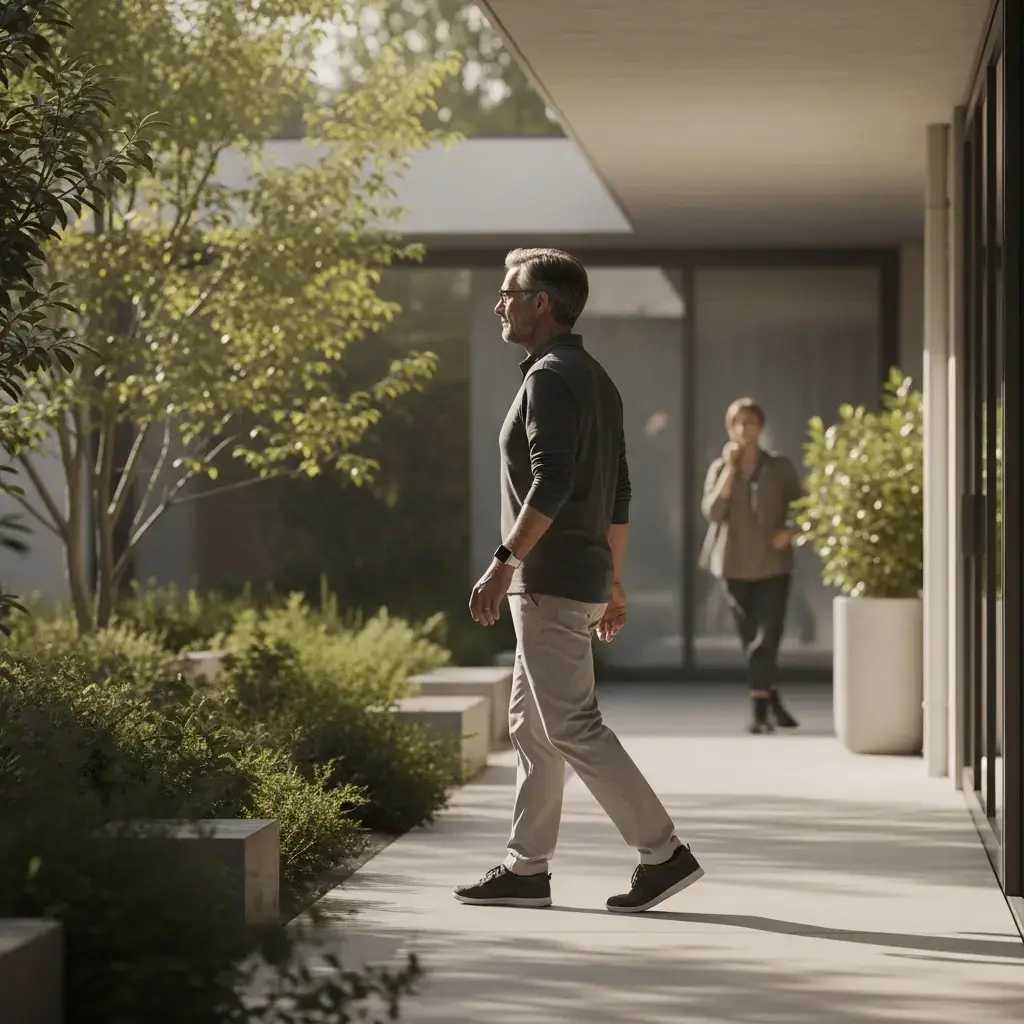
Longevity is no longer framed as simply “living longer.”
By 2026, it has evolved into a broader concept focused on living better for longer — physically, mentally, and economically.
This shift is influencing consumer behavior, product development, and brand strategy across multiple industries. What was once a niche wellness topic is now shaping mainstream decisions.
Longevity Moves From Healthcare to Everyday Life
Previously, longevity conversations were led by medical institutions and biotech companies. In 2026, longevity thinking has moved into daily routines.
Consumers are prioritizing:
- sustainable energy levels over short-term performance
- preventative health over reactive treatment
- habits that support long-term cognitive and physical function
This shift affects how people choose food, technology, work structures, and even entertainment.
The Rise of Preventative and Predictive Health
Wearable technology and AI-powered health platforms are no longer focused only on tracking steps or sleep.
They now:
- identify early health risk patterns
- predict burnout and cognitive fatigue
- support behavioral changes before problems appear
Longevity-driven consumers are investing in systems that help them avoid decline, not just measure activity.
Mental Longevity Becomes as Important as Physical Health
In 2026, longevity conversations increasingly include:
- emotional regulation
- stress resilience
- focus and memory preservation
- digital overload management
Burnout is no longer seen as a temporary issue — it’s recognized as a long-term health risk. This is driving demand for tools, environments, and work cultures that support sustained mental clarity.
Longevity Reshapes Work and Productivity Models
Long-term performance is replacing hustle culture.
Organizations are redesigning work around:
- energy management instead of time tracking
- flexible productivity cycles
- recovery as part of performance
- career sustainability over rapid burnout
This has implications for employer branding, leadership communication, and workplace technology.
Nutrition and Longevity Become Personalized
Generic diet plans are losing relevance. Longevity-focused consumers expect nutrition to adapt to:
- metabolic responses
- lifestyle patterns
- age-related needs
- long-term health goals
Personalized nutrition, guided by data and behavior, is becoming a core pillar of longevity culture.
Longevity Influences Consumer Spending Decisions
People are increasingly evaluating purchases through a long-term lens:
- “Will this support my health five years from now?”
- “Does this reduce stress or increase resilience?”
- “Is this sustainable for my future lifestyle?”
Brands that connect their value to longevity — without exaggeration — are gaining stronger loyalty and trust.
Longevity Is Becoming a Brand Value
In 2026, longevity is no longer just a product feature. It’s a positioning strategy.
Brands that succeed in this space:
- communicate balance instead of extremes
- promote sustainability over intensity
- support consistency rather than transformation
- respect the long-term relationship with customers
Longevity-oriented branding feels calm, informed, and responsible.
Conclusion: Longevity Is About Sustainable Living
The defining longevity trend of 2026 is not extending life at all costs — it’s protecting quality of life over time.
Consumers are choosing brands, systems, and lifestyles that support continuity, resilience, and well-being.
For businesses, this means designing experiences that people can live with — and grow with — for years.
Longevity is no longer a future goal.
It’s a present-day decision framework.